
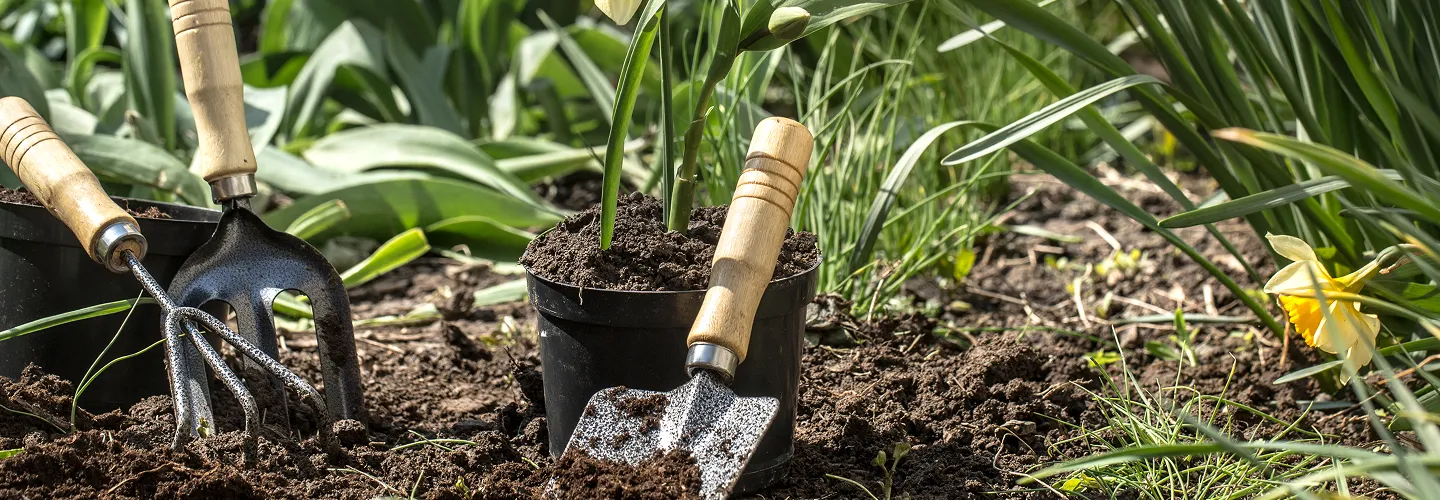
Fort Myers Green Waste Disposal Services
Choose our Green Waste Disposal for reliable, environmentally responsible service that keeps your property clean and supports a healthier community—experience hassle-free pickup and sustainable disposal you can trust.
Get a Free QuoteOur Fort Myers Landscaping & Yard Care Services
When to Schedule Green Waste Disposal in Fort Myers, Florida – Seasonal Guide
In Fort Myers, Florida, the timing of green waste disposal is closely tied to our unique subtropical climate and the rhythms of local landscaping needs. The best periods for scheduling green waste removal are typically late winter through early spring and again in late summer, just after the rainy season. These windows align with the region’s growth cycles, when lawns and gardens in neighborhoods like McGregor Boulevard and Gateway experience the most significant accumulation of yard debris.
Local environmental factors play a crucial role in determining the optimal schedule. For example, Fort Myers rarely experiences frost, but the high humidity and frequent summer storms can accelerate plant growth and leaf drop, especially in shaded areas near the Caloosahatchee River. Soil types vary from sandy in coastal areas to richer loam inland, affecting how quickly organic matter breaks down. Homeowners should also be mindful of municipal guidelines and seasonal collection schedules, which can be found on official resources such as the City of Fort Myers website.
Local Factors to Consider for Green Waste Disposal in Fort Myers
- Tree density and types of vegetation on your property
- Proximity to water bodies like Lakes Park or the Caloosahatchee River
- Seasonal precipitation patterns and risk of drought
- Shade coverage and microclimates in your yard
- Soil composition (sandy vs. loamy)
- Municipal restrictions and scheduled collection days
Benefits of Green Waste Disposal in Fort Myers
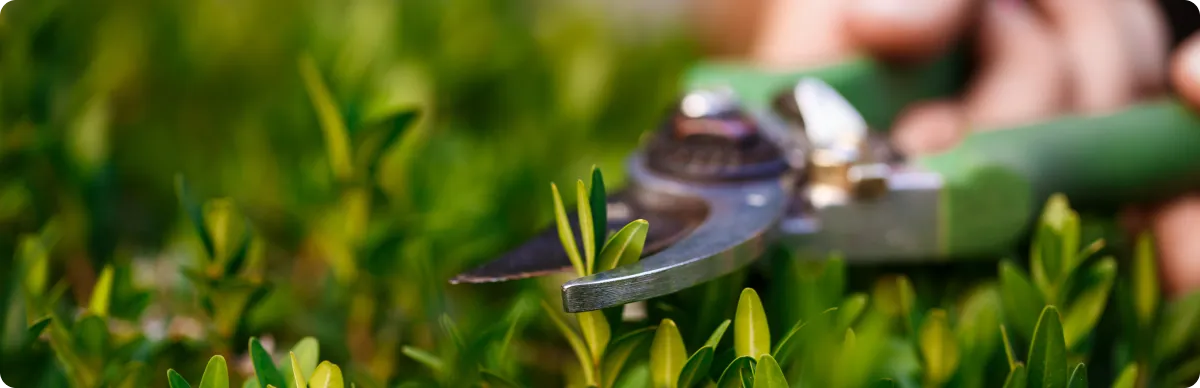
Eco-Friendly Landscaping Solutions
Efficient Green Waste Removal
Promotes Healthy Plant Growth
Reduces Landfill Waste
Supports Local Sustainability
Enhances Property Appearance
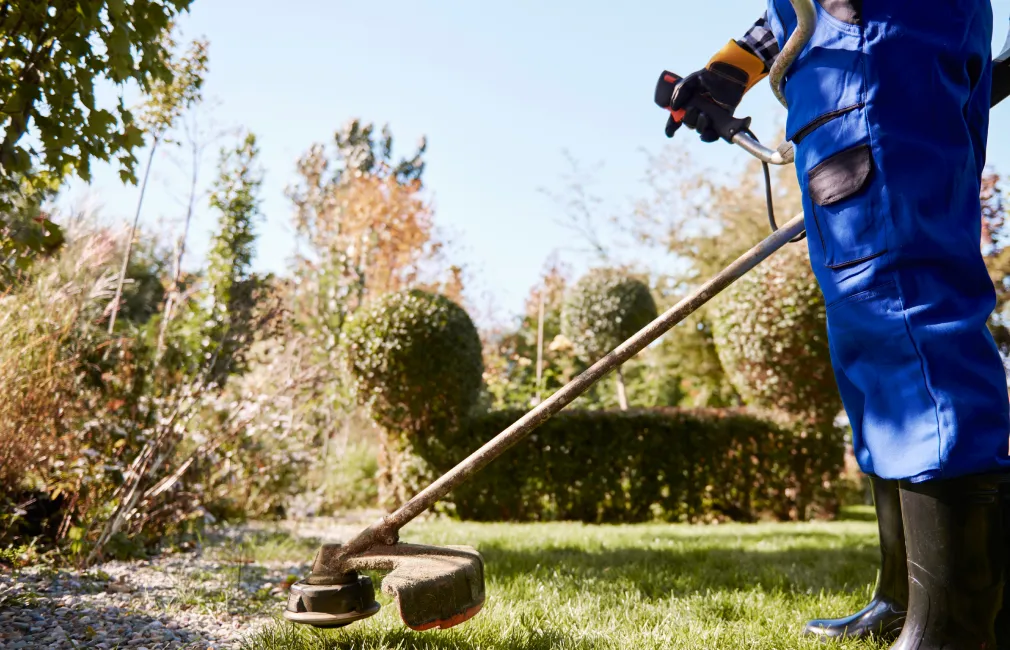
Fort Myers Green Waste Disposal Types

Yard Debris Collection
Efficient removal of leaves, branches, and grass clippings from landscaping projects.
-
Tree Limb Disposal
Safe and eco-friendly disposal of tree limbs and large branches.
-
Mulching Services
Transforming green waste into nutrient-rich mulch for landscaping use.
-
Composting Solutions
Turning organic landscaping waste into valuable compost for soil enrichment.
-
Sod and Soil Removal
Proper disposal of old sod, soil, and turf from landscaping renovations.
-
Shrub and Bush Removal
Responsible disposal of unwanted shrubs and bushes from your property.
-
Palm Frond Recycling
Specialized recycling services for palm fronds common in Fort Myers landscapes.
Our Green Waste Disposal Process
Collection of Green Waste
Sorting and Separation
Transport to Disposal Facility
Eco-Friendly Processing
Why Choose Fort Myers Landscape Services
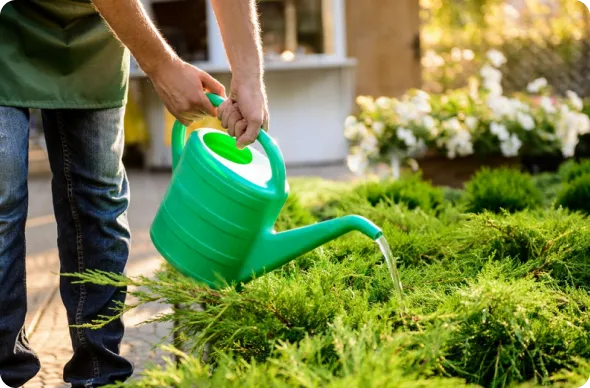
-
Fort Myers Homeowners Trust Us
-
Expert Lawn Maintenance
-
Reliable Irrigation Solutions
-
Competitive Pricing
-
Professional Team
-
Satisfaction Guarantee
-
Personalized Service
Coordinating Green Waste Disposal Through Fort Myers Public Works and Solid Waste Services
Green waste disposal in Fort Myers requires coordination with the city's solid waste and public works operations, which oversee vegetative debris collection, curbside pickup schedules, and disposal routing for residential and commercial properties. Residents and property managers should verify current collection rules directly with the department, as accepted materials, container or bundling requirements, and placement guidelines may differ between single-family residential accounts and multi-family or commercial properties. Key coordination steps include:
- Confirming which organic materials qualify as green waste versus bulk or construction debris
- Placing vegetative debris at the designated curbside location without blocking swales, drainage inlets, or sidewalks
- Separating green waste from household trash, recyclables, and non-organic yard items such as landscape fabric, plastic pots, or treated lumber
- Verifying whether large-volume disposal from commercial landscape projects requires a separate hauling arrangement or transfer station drop-off
Property managers overseeing multiple units should confirm volume limits and scheduling with the city to avoid code compliance issues related to debris accumulation.
Fort Myers Public Works
2200 Second Street, Fort Myers, FL 33901
Official Website: Fort Myers Public Works
How Fort Myers's Gulf Coast Climate Shapes Green Waste Volume and Timing
Fort Myers sits within the Gulf Coast Florida context, classified in USDA Hardiness Zone 10a, where subtropical heat, high humidity, and a pronounced wet season from roughly June through October drive aggressive vegetative growth. These conditions directly affect the volume and frequency of green waste generated across residential and commercial properties. Several local environmental factors influence disposal planning:
- Rapid warm-season growth: St. Augustinegrass, tropical shrubs, palms, and ornamental plantings produce heavy clipping and pruning volumes during the wet season, often requiring more frequent disposal cycles than properties in cooler or drier Florida regions.
- Sandy, low-retention soils: Much of Fort Myers is underlain by sandy coastal and fill-based soils with limited organic content, meaning yard debris decomposes slowly when left on-site and can wash into swales and storm drains during heavy rain events.
- High water table and drainage sensitivity: The Caloosahatchee River corridor, numerous canals, retention ponds, and neighborhood swales make it critical that green waste never obstructs drainage flow or enters stormwater conveyance systems.
- Storm-season debris surges: Tropical storms and hurricanes can generate sudden, large volumes of vegetative debris—downed palm fronds, broken branches, and uprooted shrubs—that exceed normal collection capacity and may require separate storm-debris protocols.
Residents should anticipate peak green waste output between May and October and plan disposal accordingly, rather than allowing material to accumulate near drainage infrastructure.
Fort Myers Regulations Governing Green Waste Placement and Stormwater Protection
Green waste disposal in Fort Myers is subject to both municipal code enforcement standards and broader stormwater protection requirements. The city's Code Enforcement division enforces property maintenance ordinances that address debris accumulation, right-of-way obstructions, and nuisance conditions caused by improperly stored or abandoned vegetative material. Residents and contractors should be aware of the following regulatory considerations:
- Vegetative debris left in swales, canal banks, or near curb inlets can violate stormwater discharge requirements under the Florida DEP NPDES Stormwater Program and the federal Clean Water Act, which prohibit the introduction of pollutants—including organic sediment and nutrient-laden debris—into municipal storm sewer systems.
- Fort Myers's Code Enforcement division may issue violations for green waste piled on sidewalks, blocking visibility at intersections, or left in the right-of-way beyond the designated collection window.
- Commercial landscape contractors generating large volumes of green waste should verify whether the city requires separate hauling to an approved facility rather than relying on residential curbside collection.
- Properties adjacent to canals, retention ponds, or preserve areas may face additional restrictions on where and how vegetative debris can be staged prior to pickup.
Fort Myers Code Enforcement
1825 Hendry Street, Fort Myers, FL 33901
Official Website: Fort Myers Code Enforcement
For drainage-related concerns involving green waste near engineered stormwater systems, the Engineering Division can provide guidance on site-specific flow protection.
Fort Myers Engineering Division
1825 Hendry Street, Fort Myers, FL 33901
Official Website: Fort Myers Engineering Division
Timing and Standards for Professional Green Waste Disposal in Fort Myers
Effective green waste disposal in Fort Myers requires attention to seasonal timing, material preparation, and site protection. Professional standards for handling vegetative debris in this subtropical Gulf Coast environment include the following practices:
- Separation at the source: Green waste should be separated from non-organic materials at the point of generation; mixing soil, rock, plastic edging, or treated wood with vegetative debris can result in rejection at disposal facilities or contamination of composting streams.
- Bundling and size management: Branches and woody material are typically cut to manageable lengths and bundled or stacked neatly at the curb; verify current size and weight limits with the city before placing material for collection.
- Wet-season scheduling: During the June–October wet season, schedule disposal promptly after pruning or mowing to prevent saturated debris from clogging swales or washing into stormwater conveyance systems.
- Storm preparation and response: Before tropical weather events, prioritize removal of dead palm fronds, weakened branches, and accumulated yard debris that could become windborne hazards or block drainage after a storm.
- Canal and waterway buffers: Never stage green waste within canal easements, along retention pond banks, or over storm-drain grates; organic material decomposing in waterways contributes nutrient loading that degrades water quality in the Caloosahatchee watershed.
Contractors performing large-scale landscape clearing should coordinate haul-off logistics in advance, particularly during peak storm-debris periods when disposal facilities may experience extended wait times.
What Neighborhoods Do We Serve Throughout Fort Myers, FL?
- Downtown Fort Myers / River District: Older urban lots with mature tropical plantings and limited staging space require efficient green waste removal to keep sidewalks and alleys clear of vegetative debris near the Caloosahatchee riverfront.
- McGregor Boulevard Corridor: Properties along this historic boulevard feature large canopy trees, dense hedge lines, and established ornamental beds that generate substantial pruning and trimming waste year-round.
- Dunbar: A well-established residential area with mixed lot sizes where regular green waste pickup helps maintain property appearance and prevents debris from accumulating near neighborhood drainage swales.
- Palm-Lee Park: Canal-adjacent homes in this area require careful staging of green waste away from waterway easements to protect local drainage infrastructure and water quality.
- Whiskey Creek: This mature subdivision features large lots with extensive St. Augustinegrass lawns and tropical landscaping that produce high volumes of clippings, fronds, and hedge trimmings during the growing season.
- Page Park: Older residential properties with dense shade trees and established plantings generate consistent green waste that must be managed to avoid obstructing swales and curbside drainage.