
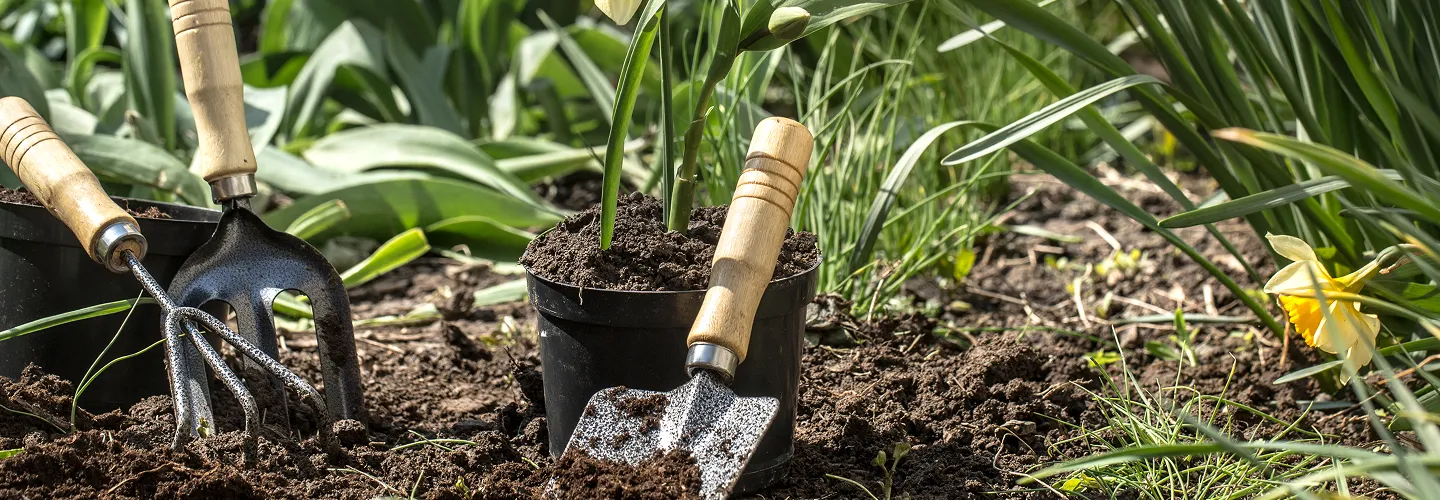
Fort Myers Flower Planting Services
Choose our Flower Planting services for vibrant, expertly arranged blooms that thrive in Fort Myers’ climate—bringing lasting color, curb appeal, and joy to your outdoor spaces.
Get a Free QuoteOur Fort Myers Landscaping & Yard Care Services
When to Schedule Flower Planting in Fort Myers, Florida – Seasonal Guide
In Fort Myers, Florida, the best times for flower planting are typically during the cooler months of late fall through early spring. This period takes advantage of milder temperatures and reduced humidity, allowing new plantings to establish strong root systems before the intense summer heat arrives. The subtropical climate of Fort Myers, with its distinct wet and dry seasons, means that timing your planting around rainfall patterns and avoiding the risk of late frosts is essential for healthy, vibrant blooms.
Local neighborhoods such as McGregor Boulevard, Gateway, and the historic River District each present unique microclimates and soil conditions. For example, areas near the Caloosahatchee River may experience higher humidity and occasional flooding, while inland communities like Buckingham might contend with sandy soils and greater sun exposure. Understanding these local nuances, as well as consulting resources like the Sudbury municipal guide, can help you make informed decisions about when and where to plant for the best results.
Local Factors to Consider for Flower Planting in Fort Myers
- Proximity to large shade trees or dense canopy (affecting sunlight and moisture)
- Soil composition (sandy, loamy, or clay-rich soils)
- Average rainfall and seasonal precipitation patterns
- Neighborhood-specific microclimates (e.g., near lakes, rivers, or coastal areas)
- Municipal watering restrictions or landscaping ordinances
- Risk of late-season frost or unexpected cold snaps
- Terrain and drainage characteristics
Benefits of Flower Planting in Fort Myers
Enhanced Curb Appeal
Expert Local Plant Selection
Seasonal Color Variety
Low-Maintenance Landscaping
Eco-Friendly Practices
Increased Property Value
Fort Myers Flower Planting Types

Annual Flower Planting
-
Perennial Flower Beds
-
Native Wildflower Gardens
-
Seasonal Color Rotations
-
Pollinator-Friendly Plantings
-
Shade Garden Flowers
-
Drought-Tolerant Flower Selections
Our Flower Planting Process
Site Evaluation
Soil Preparation
Flower Selection
Planting
Watering and Mulching
Why Choose Fort Myers Landscape Services
-
Fort Myers Homeowners Trust Us
-
Expert Lawn Maintenance
-
Reliable Irrigation Solutions
-
Competitive Pricing
-
Professional Team
-
Satisfaction Guarantee
-
Personalized Service
Coordinating Flower Planting Projects with Fort Myers Municipal Programs and Departments
Flower planting on residential and commercial properties in Fort Myers often intersects with municipal oversight, particularly when plantings occur near rights-of-way, stormwater infrastructure, or public-facing frontage areas. The City of Fort Myers Community Development Department reviews site work that may affect zoning compliance, landscaping buffers, or development conditions tied to approved site plans. Property managers undertaking large-scale flower installations in planned developments or commercial corridors should verify whether existing landscape plans govern species selection, bed placement, or irrigation requirements before beginning work.
- Confirm whether your property is subject to an approved landscape plan through the Community Development Department before modifying planting beds along frontage or buffer zones.
- Coordinate with Parks and Recreation when planting adjacent to public greenspaces, medians, or trail corridors to avoid conflicts with municipal maintenance schedules.
- Ensure that excess soil, organic debris, and planting materials are kept out of swales, curb inlets, and canal edges during installation.
Fort Myers Community Development Department
1825 Hendry Street, Fort Myers, FL 33901
Official Website: Fort Myers Community Development
Fort Myers Parks & Recreation
Official Website: Fort Myers Parks & Recreation
How Fort Myers's Gulf Coast Climate and Soils Shape Flower Planting Decisions
Fort Myers sits within USDA Hardiness Zone 10a, classified as a Gulf Coast Florida subtropical environment with intense summer heat, high humidity, and a pronounced wet season running roughly from June through October. These conditions directly govern which flower species establish successfully and how planting beds must be prepared. The predominant soils across much of the city are sandy and fast-draining, with low organic matter and limited nutrient retention. In newer subdivisions, fill soils may be compacted and poorly structured, while low-lying areas near the Caloosahatchee River corridor can exhibit a high water table and periodic saturation.
- Heat intensity: Summer air temperatures regularly exceed 90°F, and reflected heat from driveways and sidewalks can push bed-edge temperatures even higher, stressing shallow-rooted annuals.
- Sandy soil behavior: Nutrients and moisture leach rapidly through Fort Myers's sandy profiles, requiring organic amendment at planting and efficient irrigation delivery through drip emitters or micro-sprayers rather than overhead broadcast systems.
- Wet-season saturation: Beds installed without adequate drainage or raised profiles may experience root rot during heavy summer rainfall events, particularly in areas with clay lenses or compacted fill beneath the surface.
- Salt exposure: Properties near the Caloosahatchee or tidal creeks face salt spray and brackish groundwater intrusion, narrowing the palette to salt-tolerant species such as blanket flower, beach sunflower, and sea purslane.
The USDA Plant Hardiness Zone Map confirms Fort Myers's tropical-subtropical classification, which supports year-round planting of warm-season flowers but demands careful species matching to avoid cold-snap losses during occasional winter dips into the low 40s.
Navigating Fort Myers's Code and Regulatory Requirements for Flower Planting
While flower planting itself does not typically require a building permit, several regulatory layers apply depending on the property's location, zoning classification, and proximity to environmentally sensitive areas. Fort Myers Code Enforcement monitors property maintenance standards, including overgrown or neglected planting beds, visibility obstructions at intersections, and compliance with frontage appearance requirements. Properties within planned unit developments or overlay districts may have additional landscape standards enforced through the Planning Division.
- Any flower planting that involves grading changes, irrigation line modifications, or work within a stormwater easement should be reviewed with the Fort Myers Engineering Division to confirm drainage compliance.
- Fertilizer applied during or after flower installation must comply with applicable local ordinance provisions. Florida Statutes §403.9337 establishes the model ordinance framework for Florida-friendly fertilizer use on urban landscapes, and Lee County's adopted fertilizer ordinance restricts nitrogen and phosphorus application during the summer rainy season—verify current blackout dates before scheduling post-planting fertilization.
- Pesticide or herbicide applications in flower beds require proper licensing through the Florida Department of Agriculture and Consumer Services when performed commercially.
- Runoff from freshly amended beds must not discharge into stormwater conveyances. The Florida DEP NPDES Stormwater Program governs municipal stormwater quality, and sediment or nutrient-laden runoff from planting sites can trigger compliance concerns.
Fort Myers Code Enforcement
Official Website: Fort Myers Code Enforcement
Timing Flower Planting Around Fort Myers's Wet Season and Seasonal Heat Cycles
Professional flower planting in Fort Myers follows a seasonal rhythm dictated by rainfall patterns, temperature extremes, and irrigation availability. The optimal primary planting windows are October through early December and February through April, when temperatures are moderate, rainfall is manageable, and root establishment can occur before the stress of full summer heat or the saturation of peak wet season.
- Fall planting (October–December): Declining rainfall and cooler nighttime temperatures allow transplants to establish root systems before winter. Species such as pentas, salvia, lantana, and firebush perform well when installed during this window.
- Late winter/spring planting (February–April): Rising temperatures stimulate growth, and irrigation can supplement the dry season's limited rainfall. This window suits both annuals like vinca and marigolds and perennials like coreopsis and milkweed.
- Soil preparation: Amend Fort Myers's sandy soils with composted organic matter to a depth of six to eight inches to improve moisture retention and nutrient-holding capacity. Avoid peat-heavy amendments that repel water when they dry out.
- Irrigation coordination: Install drip irrigation or micro-spray emitters before planting to ensure uniform coverage. Overhead irrigation wastes water to evaporation and promotes foliar disease in Fort Myers's humid conditions. Residents should follow watering restrictions established by the South Florida Water Management District; current schedules may vary by drought stage and should be confirmed through the EPA WaterSense Outdoors resource or the local utility.
- Mulch application: Apply two to three inches of organic mulch around plantings, keeping mulch pulled back from stems to prevent crown rot. Mulch moderates soil temperature, reduces moisture loss, and suppresses weed germination between flower installations.
What Neighborhoods Do We Serve Throughout Fort Myers, FL?
- Downtown Fort Myers / River District: Historic properties and mixed-use parcels in this area feature compact planting beds along sidewalks and building frontages, often requiring heat-tolerant species that withstand reflected heat from pavement and limited root space in urban soils.
- McGregor Boulevard Corridor: Mature residential lots along this corridor benefit from established tree canopy, creating partial-shade conditions that favor shade-tolerant flowers such as impatiens and crossandra while requiring careful irrigation zoning around existing root systems.
- Dunbar: Older residential lots in this neighborhood may have compacted soils and limited existing irrigation infrastructure, making soil amendment and efficient emitter installation essential components of any flower planting project.
- Palm Beach Boulevard Area: Properties along this commercial and residential corridor often sit on fill soils with variable drainage, requiring raised bed construction or amended profiles to support healthy flower establishment.
- Whiskey Creek: This established subdivision features canal-adjacent lots where flower bed runoff must be managed carefully to prevent nutrient and sediment discharge into the canal system.
- Edison Park: One of Fort Myers's oldest neighborhoods, Edison Park presents mature landscaping, shade from large specimen trees, and historic-character considerations that influence species selection and bed placement along front yards and parkways.