
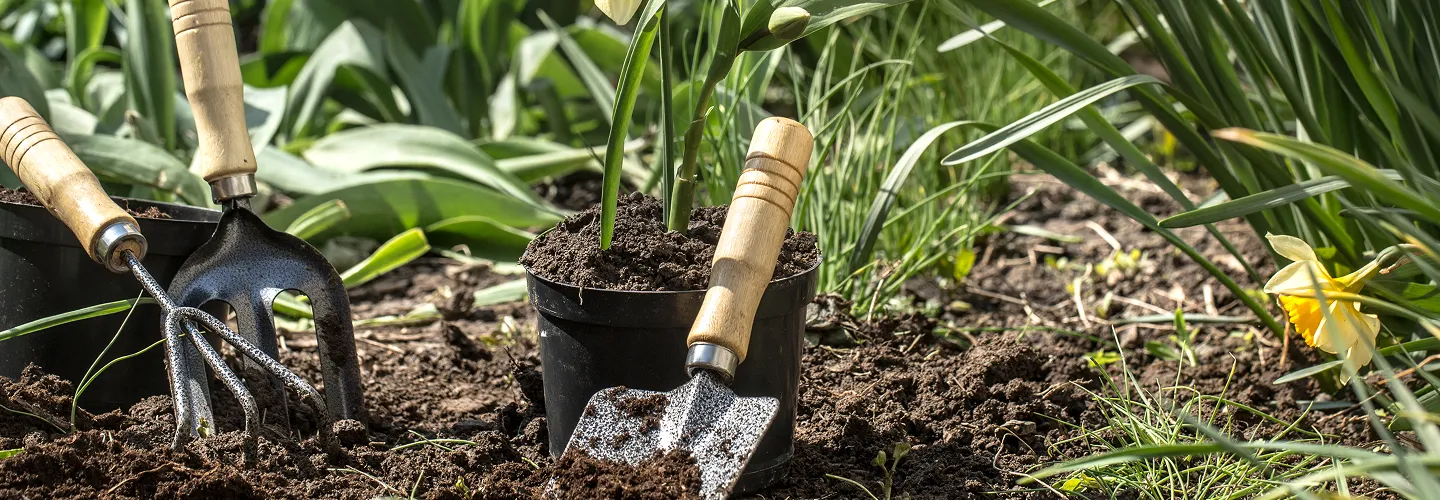
Fort Myers Lawn Renovation Services
Choose our expert Lawn Renovation services for a lush, healthy yard—our experienced team uses proven techniques and premium materials to transform tired, patchy grass into a vibrant, resilient landscape you’ll love year-round.
Get a Free QuoteOur Fort Myers Landscaping & Yard Care Services
When to Schedule Lawn Renovation in Fort Myers, Florida – Seasonal Guide
In Fort Myers, Florida, timing your lawn renovation is crucial for achieving lush, resilient turf that thrives in our unique subtropical climate. The best periods for lawn renovation typically fall between late spring and early summer, or early fall, when soil temperatures are warm and rainfall is more predictable. Renovating during these windows allows new grass to establish before the intense summer heat or the occasional winter chill. Neighborhoods like McGregor Boulevard and the historic Edison Park area often see the best results when renovations are scheduled to avoid the peak of hurricane season and the rare but possible cold snaps.
Local environmental factors play a significant role in determining the optimal renovation schedule. Fort Myers lawns contend with high humidity, sandy soils, and varying shade coverage from mature oaks and palms. Proximity to the Caloosahatchee River can also influence soil moisture and drainage. Homeowners should be mindful of municipal watering restrictions and consider consulting resources like the City of Sudbury’s guidelines for additional insights on sustainable lawn care practices.
Local Factors to Consider for Lawn Renovation in Fort Myers
- Tree density and shade coverage from native palms and oaks
- Soil type, especially sandy or well-draining soils common in areas like Whiskey Creek
- Seasonal precipitation patterns and drought risk
- Proximity to water bodies affecting drainage (e.g., Caloosahatchee River, Lakes Park)
- Municipal watering restrictions and local ordinances
- Terrain variations, such as sloped yards or low-lying areas prone to pooling
Benefits of Lawn Renovation in Fort Myers
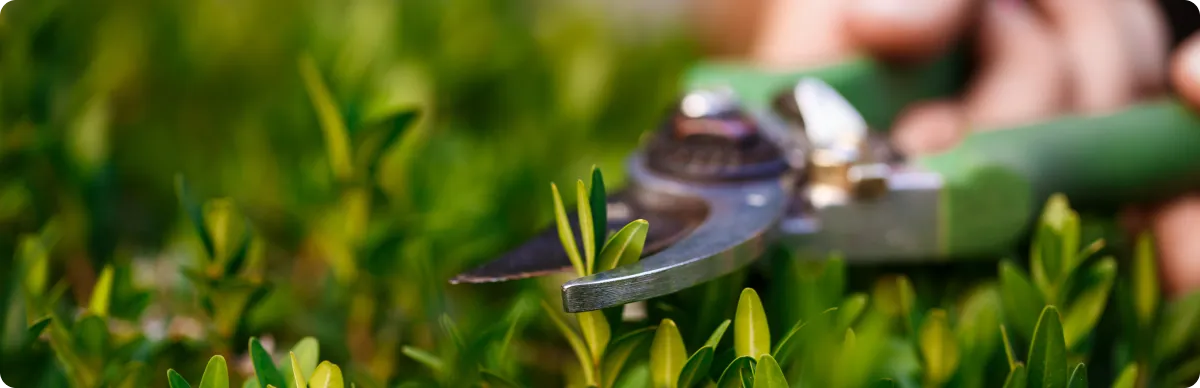
Enhanced Curb Appeal
Improved Lawn Health
Weed and Pest Reduction
Increased Property Value
Customized Landscaping Solutions
Expert Local Knowledge
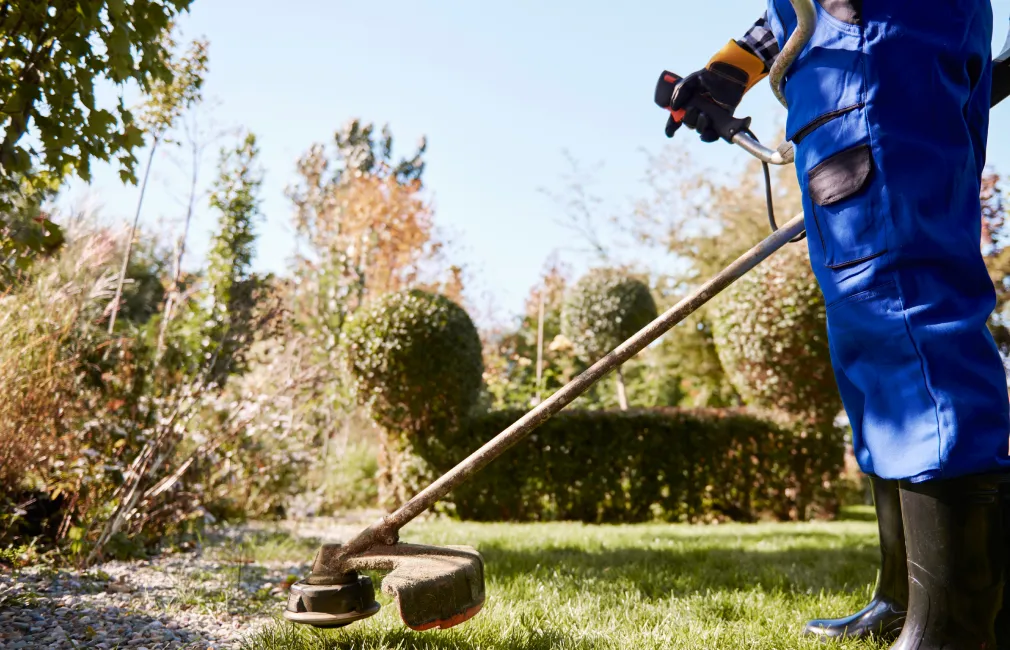
Fort Myers Lawn Renovation Types

Sod Installation
-
Seeding and Overseeding
-
Soil Amendment
-
Aeration Services
-
Weed and Pest Control
-
Grading and Leveling
-
Irrigation System Upgrades
Our Lawn Renovation Process
Site Evaluation
Soil Preparation
Seeding or Sod Installation
Watering and Fertilization
Ongoing Maintenance
Why Choose Fort Myers Landscape Services
-
Fort Myers Homeowners Trust Us
-
Expert Lawn Maintenance
-
Reliable Irrigation Solutions
-
Competitive Pricing
-
Professional Team
-
Satisfaction Guarantee
-
Personalized Service
Coordinating Lawn Renovation Projects with Fort Myers Municipal Departments
Lawn renovation in Fort Myers often involves more than replacing turf. Projects that include regrading, drainage correction, irrigation system modifications, or soil amendment may require coordination with city departments before work begins. The Fort Myers Community Development Department handles development review and site work coordination, and property owners should verify whether proposed grading changes or irrigation tie-ins trigger any review requirements. When renovation work affects swale flow, driveway apron grades, or stormwater conveyance along the right-of-way, the Engineering Division provides technical guidance on drainage routing and runoff management. Residents should also confirm current yard waste and vegetative debris disposal procedures through Public Works, particularly when removing old sod or hauling soil amendments in bulk.
- Verify grading or drainage modifications with the Engineering Division before beginning site work
- Coordinate vegetative debris removal through Public Works collection procedures
- Confirm whether irrigation changes require utility coordination through the city's water services
Fort Myers Community Development Department
1825 Hendry Street, Fort Myers, FL 33901
Official Website: Fort Myers Community Development
Fort Myers Engineering Division
1825 Hendry Street, Fort Myers, FL 33901
Official Website: Fort Myers Engineering Division
How Fort Myers's Gulf Coast Soils and Wet Season Shape Lawn Renovation
Fort Myers sits within USDA Hardiness Zone 10a, positioned along Florida's Gulf Coast where subtropical heat, high humidity, and a pronounced wet season from June through October define the growing environment. The city's soils are predominantly sandy and fast-draining, with many subdivisions built on fill material that compacts over time and creates uneven turf surfaces. Nutrient leaching is a persistent concern because sandy profiles retain very little nitrogen or potassium, requiring careful amendment strategies during renovation. The high water table across much of Lee County means that even minor regrading can alter surface drainage patterns, directing runoff toward swales, canals, retention ponds, or neighboring properties. Salt exposure affects properties closer to the Caloosahatchee River and tidal zones, influencing turf species selection. According to the USDA Plant Hardiness Zone Map, Fort Myers's frost-free growing season supports year-round warm-season turf establishment, though summer heat stress and fungal pressure from sustained humidity require careful timing.
- Sandy soils lose applied nutrients rapidly, making soil correction a central component of renovation
- High water tables and flat terrain increase sensitivity to grade changes and drainage disruption
- Humidity-driven fungal diseases such as large patch and gray leaf spot intensify during the wet season
- Salt-influenced sites near the Caloosahatchee may limit turf options to more tolerant cultivars
Navigating Fort Myers's Code and Stormwater Regulations for Lawn Renovation
Property owners undertaking lawn renovation in Fort Myers must account for several regulatory layers. The city's Code Enforcement division enforces property maintenance standards, including requirements for maintained turf and vegetation on residential and commercial frontages. Properties that remain bare or eroded during extended renovation timelines may be subject to compliance action, so phased work plans that maintain ground cover are advisable. Stormwater management is governed at both the municipal and state level; the Florida DEP NPDES Stormwater Program establishes discharge requirements that apply when site disturbance generates sediment-laden runoff into the municipal storm sewer system. Fertilizer application during or after renovation must comply with Florida Statutes §403.9337, which provides the framework for Florida-Friendly fertilizer use on urban landscapes. Any pesticide or herbicide application as part of renovation requires proper licensing through the FDACS Pesticide Applicator Certification program.
- Maintain temporary ground cover or erosion control during renovation to avoid code enforcement issues
- Prevent sediment, soil amendments, and fertilizer granules from entering swales, curb inlets, and canal edges
- Confirm fertilizer application timing and formulation align with local ordinance requirements
- Ensure all chemical applications are performed by properly licensed applicators
Fort Myers Code Enforcement
1825 Hendry Street, Fort Myers, FL 33901
Official Website: Fort Myers Code Enforcement
Timing and Methods for Lawn Renovation in Fort Myers's Subtropical Climate
Professional lawn renovation in Fort Myers follows a sequenced approach that accounts for the city's heat, rainfall, and soil conditions. Site assessment begins with identifying the root causes of turf failure—compaction from fill soils, shade encroachment, poor drainage, irrigation gaps, or accumulated thatch in St. Augustinegrass or zoysiagrass lawns. Soil testing through the UF/IFAS Extension is a foundational step, as Fort Myers's sandy soils frequently show low pH buffering capacity and deficient micronutrient levels. The optimal window for major renovation work falls between late April and early June, when warm-season grasses enter peak active growth and the onset of regular rainfall supports establishment without excessive irrigation demand. Turf conversion—such as replacing declining St. Augustinegrass with a more shade- or salt-tolerant cultivar—should be completed before the heaviest wet-season months to allow root establishment.
- Conduct soil testing before amending; sandy Gulf Coast soils often require targeted pH and micronutrient correction
- Schedule sod installation or turf conversion during late spring to leverage natural rainfall for establishment
- Address drainage and grade issues before installing new turf to prevent repeat failure
- Audit irrigation coverage and head-to-head spacing as part of every renovation scope
- Avoid major soil disturbance during peak wet season (July–September) when erosion risk is highest
What Neighborhoods Do We Serve Throughout Fort Myers, FL?
- McGregor Boulevard Corridor — Mature residential lots along this historic corridor often feature established St. Augustinegrass under heavy oak canopy, where shade-related turf decline and root competition are common renovation drivers.
- Dunbar — One of Fort Myers's oldest neighborhoods, Dunbar properties frequently present compacted urban soils and aging irrigation infrastructure that require comprehensive soil correction during renovation.
- Palm-Lee Park — This centrally located neighborhood includes smaller residential lots where drainage toward city swales and close proximity to neighboring structures demand careful grade management.
- Whiskey Creek — Canal-adjacent properties in Whiskey Creek require particular attention to runoff control and buffer maintenance during any turf removal or soil amendment work.
- Gateway — Newer subdivision development in the Gateway area often involves fill-based soils that settle unevenly, creating low spots and scalping issues that lawn leveling and renovation address.
- Edison Park — This historic district features mature landscaping and older lot grading patterns, where irrigation audits and turf conversion are frequently necessary components of renovation.